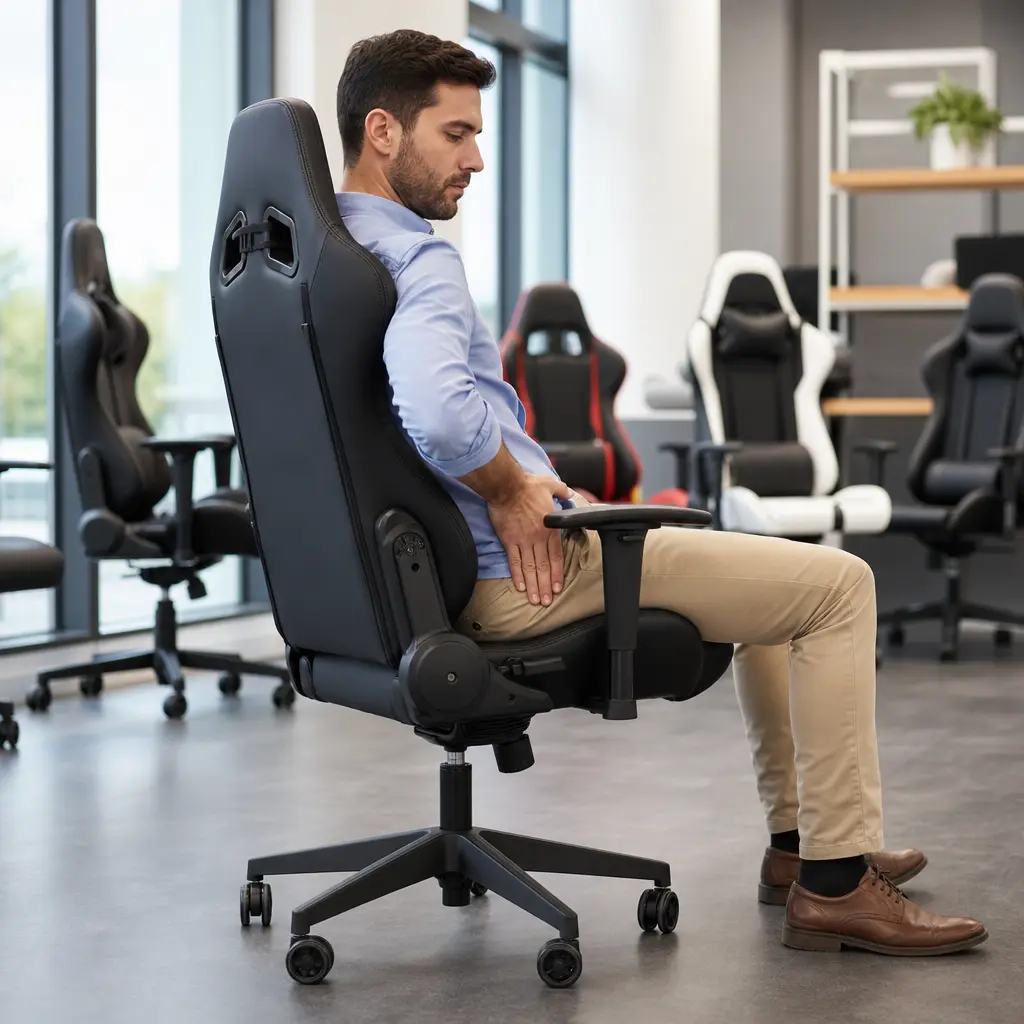
Choosing the right bar stool seating height sounds simple until a bulk order arrives and the chairs do not fit the counter.
For a single home kitchen, a wrong stool height may only mean one awkward seat. For a restaurant, hotel bar, cafe chain, apartment project, or furniture distributor, the same mistake can turn into returns, customer complaints, repacking costs, and slow-moving inventory.
Most buyers already know they need to check whether a stool is for counter height or bar height. The harder part is confirming the real seat height after the base, gas lift, cushion, footrest, and packaging details are all included. This guide explains the practical height ranges, the measurements to confirm before sampling, and the quality checks B2B buyers should not skip before placing a bulk bar stool order.
Buyer shortcuts: quick answer |measure first |counter vs bar height |sampling checks |metal counter stools |adjustable stools |buyer checklist |FAQ Quick Answer: What Seating Height Should a Bar Stool Have? Start with the surface height A practical rule is simple: the stool seat should usually sit about 10 to 12 inches below the counter or bar top. That space gives most users enough room for their legs while still keeping the sitting position comfortable.
Here is the basic reference buyers can use before requesting samples:
Surface Type Typical Surface Height Recommended Seat Height Common Use Dining table 28-30 in 17-19 in Dining chairs, cafe chairs Counter height 34-36 in 24-26 in Kitchen islands, office pantry counters, cafe counters Bar height 40-42 in 28-30 in Bars, restaurants, hotels, lounge counters Extra tall counter 44-47 in 33-36 in Tall commercial bars, special project counters
These ranges are useful for early selection, but they are not a replacement for project measurements. In bulk buying, the final decision should be based on the finished counter height, the product’s confirmed seat height, and the approved sample.
Counter height and bar height are not the same product Many product listings use the words “bar stool” loosely. That creates confusion for buyers because a counter height stool and a bar height stool can look similar in photos but feel completely different in use.
A counter height bar stool is usually better for 34-36 inch counters. A bar height stool is usually better for 40-42 inch bar tops. If a buyer orders bar height stools for a counter-height kitchen island, users may sit too high. If a buyer orders counter stools for a commercial bar, the seating may feel too low.
For retail, hospitality, and project orders, this difference should be confirmed before the sample stage.
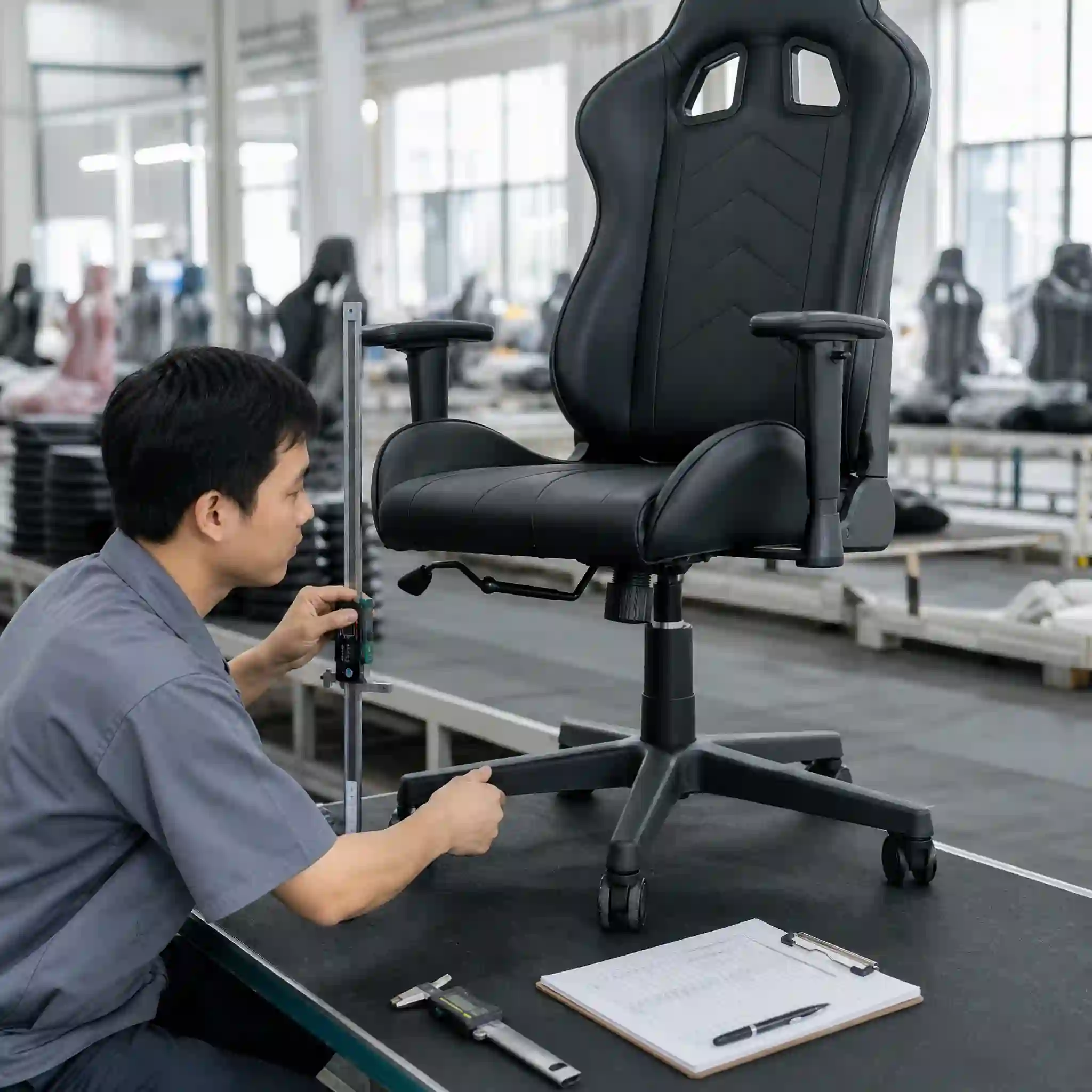
Adjustable stools still need a confirmed height range Adjustable bar stools can reduce height-matching risk, but they do not remove it. Buyers still need to confirm the lowest seat height, highest seat height, gas lift travel range, and actual seat height after assembly.
A supplier may list only the gas lift range, while the real sitting height depends on the base, seat board, cushion thickness, and mechanism. For bulk orders, ask for the assembled height range, not just the gas lift specification.
Measure the Project First: Counter, Leg Clearance, and User Space Measure from the finished floor The most useful measurement is the distance from the finished floor to the top of the counter. Do not rely only on early design drawings if flooring, tiles, leveling, or countertop thickness may still change.
This is especially important for restaurants, hotels, office pantries, apartment projects, and commercial renovation jobs. A small change in flooring or counter thickness can affect how the stool feels after installation.
Before confirming a bulk order, ask the project side to provide finished floor-to-counter height, counter depth, overhang depth, floor material, expected user type, and whether the stool must tuck under the counter. These details help prevent a common problem: the stool looks correct in the catalog but feels wrong in the actual space.
Keep enough leg clearance Leg clearance is the space between the stool seat and the underside or top of the counter. If this space is too small, users feel cramped. If it is too large, the sitting position feels low and unsupported.
For many projects, leaving around 10 to 12 inches between seat height and counter height is a practical starting point. For thicker cushions, larger users, or commercial spaces where people sit for longer periods, buyers should check the sample physically instead of relying only on a dimension sheet.
Seat thickness can change the real sitting height A bar stool with a thick cushion may measure correctly on paper but feel higher after the user sits down. A soft cushion may compress more over time. A molded foam seat may keep its shape better, while some low-density foam can flatten after repeated use.
For B2B buyers, seat height should not be checked only when the chair is new. The better question is: will the seating height still feel right after weeks or months of use?
Ask the supplier about foam density, seat board support, cushion thickness, and sample testing. If the order is for a high-traffic restaurant or bar, this check matters more than it may seem.
Counter Height Bar Stools vs Bar Height Stools When to choose counter height bar stools Counter height bar stools are usually the better choice for 34-36 inch counters. These are common in kitchen islands, cafe counters, office pantry areas, reception counters, and shared workspaces.
For distributors, counter height stools often have wider market use because they fit many residential and light commercial spaces. But buyers still need to check whether the stool has a fixed height or adjustable height, and whether the lowest setting works for the target counter.
If you are comparing counter height options, it is worth reviewing the overall seat width, back support, base diameter, and whether the chair can move easily in a compact space.
When to choose bar height stools Bar height stools are usually designed for 40-42 inch surfaces. They are common in bars, hotel lounges, restaurants, clubs, and high commercial counters.
For these spaces, stability becomes more important because the seating position is higher. The base, footrest, seat connection, and anti-wobble performance should be checked carefully before bulk production.
A bar height stool should not only look tall enough. It should feel stable when users sit down, turn, rest their feet, or move slightly while seated.
Mixed-height projects need separate specifications Some projects use more than one counter height. For example, a hotel may have a lobby bar, breakfast counter, and guest room kitchenette. A restaurant group may use different furniture layouts across multiple locations.
In this situation, buyers should avoid using one bar stool model for every area unless the adjustable range has been tested. It is better to separate the order by project area, seating height, color, packing mark, and quantity. This reduces warehouse confusion, installation mistakes, and customer complaints after delivery.
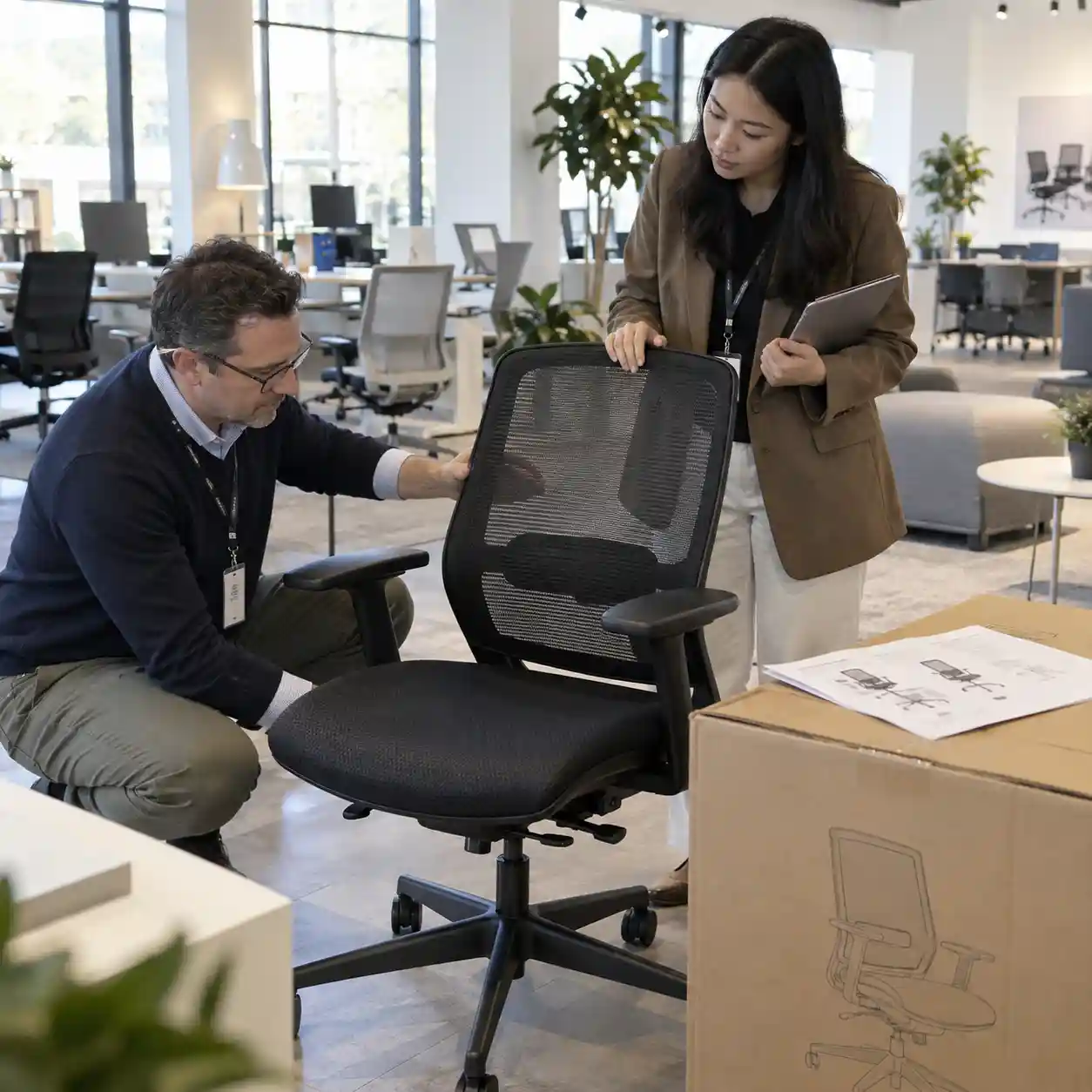
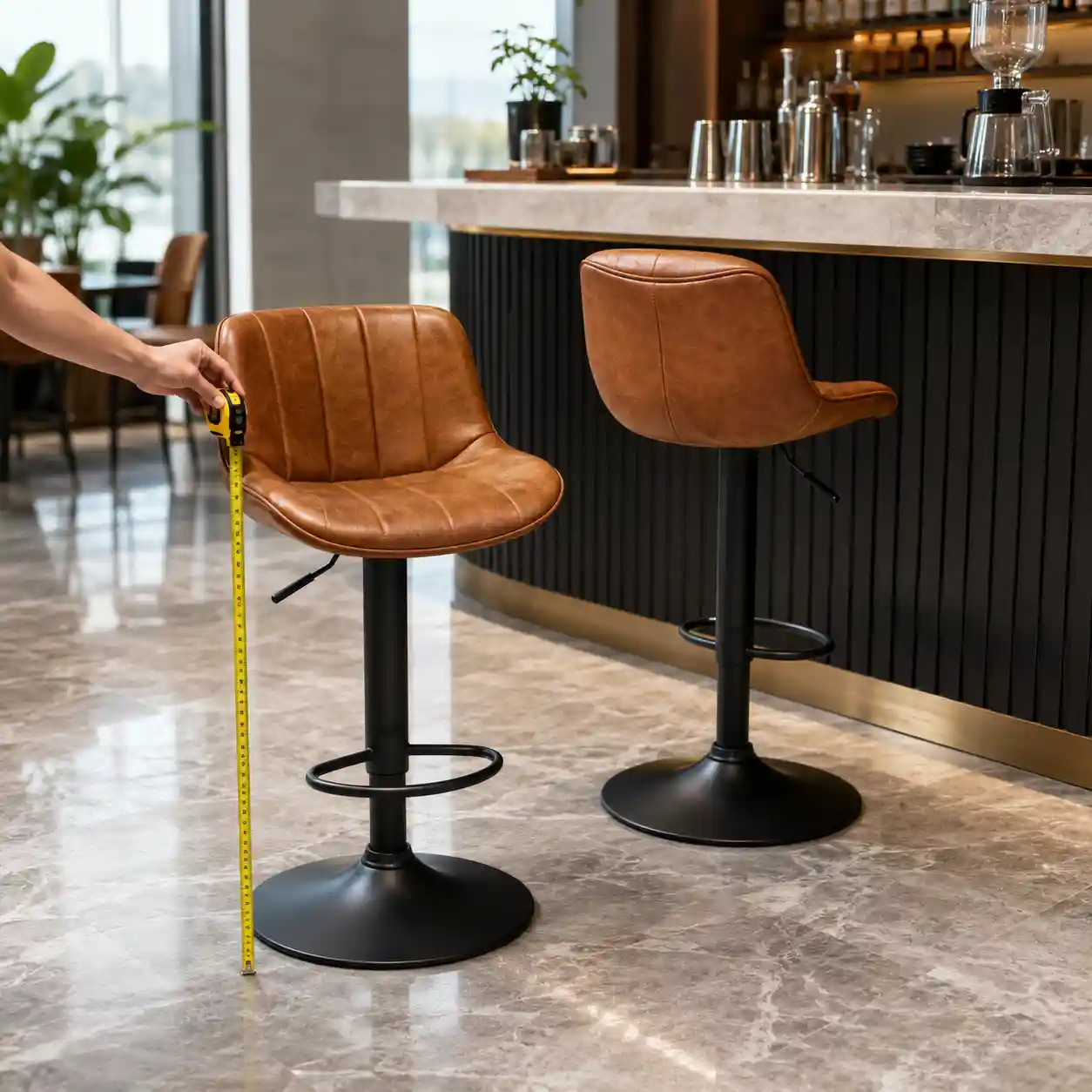
What B2B Buyers Should Confirm Before Sampling Confirm the real usable seat height Before requesting a sample, ask the supplier for the actual assembled seat height. If the stool is adjustable, ask for both the lowest and highest seat height.
The dimension sheet should make clear whether the measurement is taken from the floor to the top of the seat cushion, not just to the seat board or mechanism.
For adjustable bar stools, confirm lowest seat height, highest seat height, gas lift travel, seat cushion thickness, overall height, backrest height, footrest height, and base diameter.
Check the base, footrest, and stability Bar stools are used differently from normal dining chairs. Users often put weight on the footrest, swivel while seated, or lean back slightly. If the base is too light or the footrest is weak, the chair may feel unstable even if the seat height is correct.
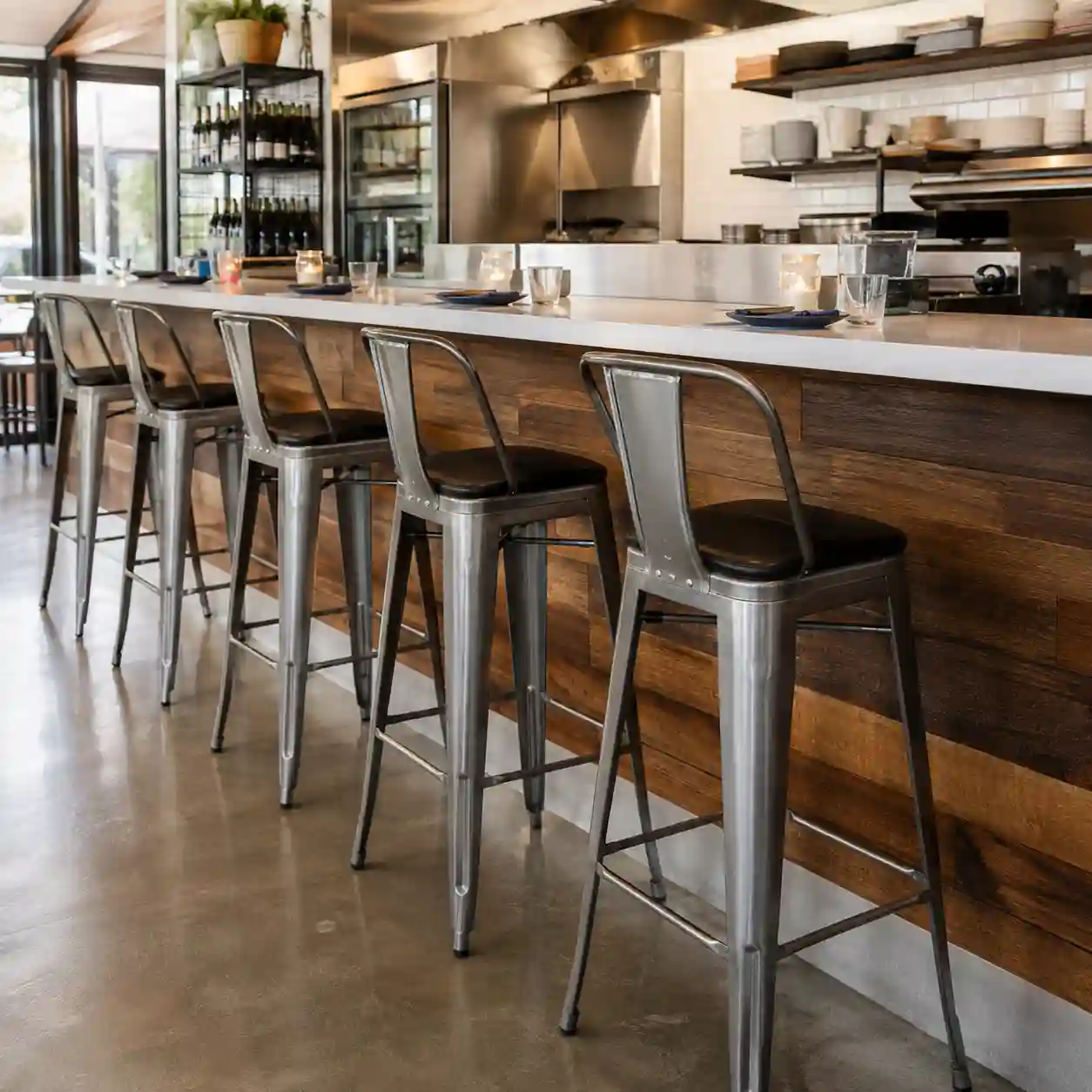
For commercial bar stools , buyers should check base diameter, base weight, footrest welding or fixing method, and anti-slip bottom protection. If the stool will be used in a restaurant, hotel, or public space, stability should be treated as a quality point, not only a comfort point.
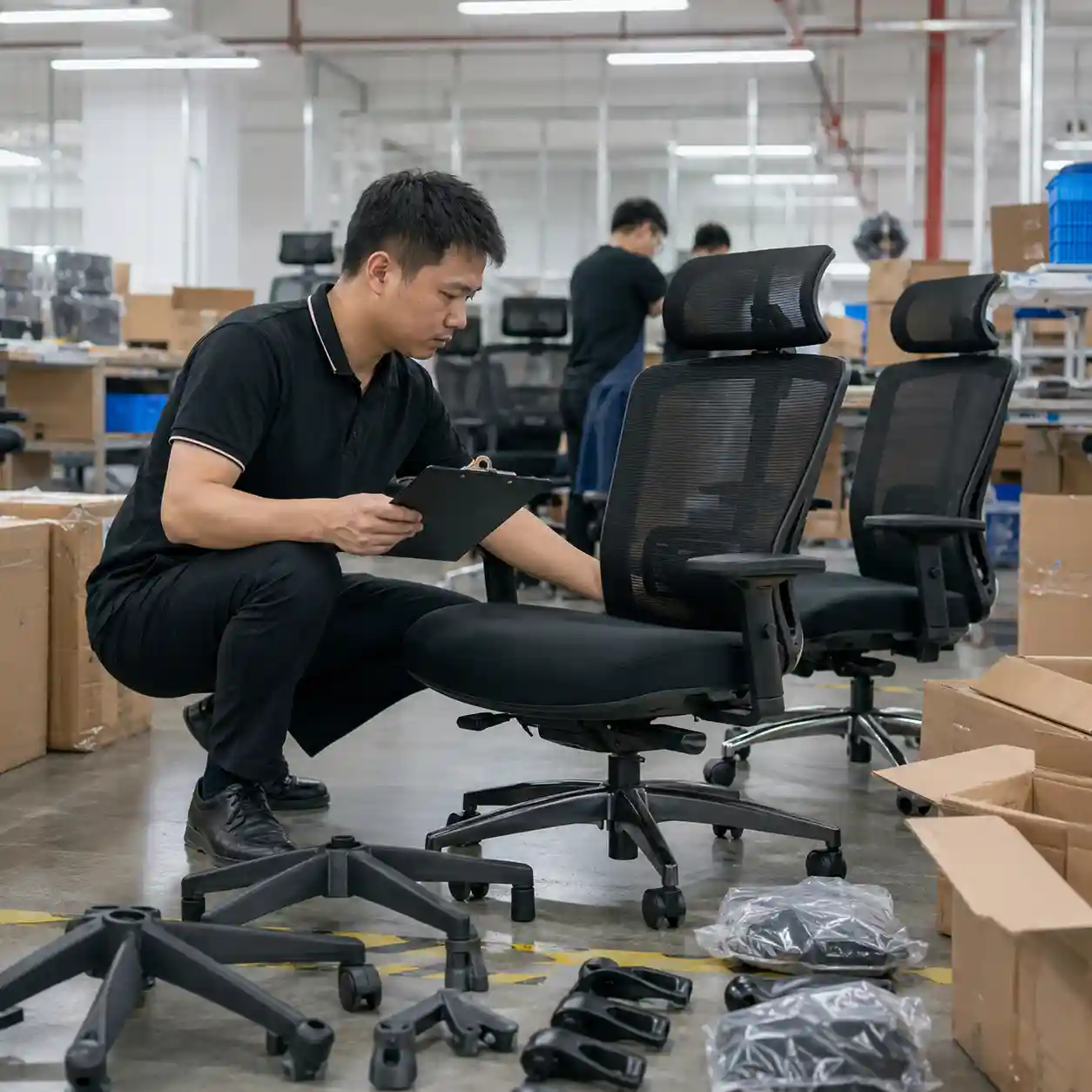
Confirm packaging before mass production Bar stools often include metal bases, gas lifts, footrests, screws, and seat parts. If these are not packed well, scratches and missing parts can become a bigger problem than the chair itself.
For bulk orders, ask for packing photos before shipment. The carton should protect visible metal parts, separate the base from the seat, and keep hardware in a clearly marked bag. If the order includes different colors or models, carton labels should also be checked before loading.
Metal finish consistency Metal counter height bar stools are popular because they look clean, modern, and easy to match with commercial spaces. But metal parts also show defects clearly.
Buyers should check whether the base finish is chrome, black powder coating, brushed metal, or another finish. The approved sample should define the surface standard for mass production.
Common issues include scratches, uneven coating, color difference, weak plating, and visible welding marks. These may not affect basic function, but they can affect customer acceptance.
Footrest position and strength The footrest is not just a visual detail. It affects comfort and durability. If the footrest is too high or too low, users may not sit naturally. If it is weak, it may bend or loosen after repeated use.
For commercial orders, buyers should ask how the footrest is attached, whether it is welded or screwed, and whether it has been tested under normal use conditions. This is especially important for restaurant bar stools and hospitality seating, where users may put repeated pressure on the same area every day.
Carton protection for metal parts Metal parts need better protection than fabric or plastic parts because scratches are easy to notice. The base, footrest, and gas lift should not rub against each other during transport.
Good packaging should include protective wrapping, separation between parts, secure hardware packing, and clear assembly instructions. For buyers importing full containers, packaging is not a small detail. It affects complaint rate, after-sales cost, and customer trust.
Gas lift range is not equal to seat height range A product may use a gas lift with a certain travel distance, but the final seat height depends on the full structure. The base, mechanism, seat board, cushion, and installation method all affect the real number.
That is why buyers should ask for finished seat height, not only component specifications. If a supplier gives only the gas lift size, ask for a photo or video showing the assembled stool at its lowest and highest positions with a measuring tape.
Test whether the stool sinks under weight One frustrating problem with adjustable stools is height sinking. The chair may look fine during inspection but slowly drop during use if the gas lift quality is poor.
For bulk orders, buyers should ask about gas lift grade, load testing, and whether the supplier can provide testing records. If the stool is for commercial use, this should be checked more carefully.
A sinking stool is not only uncomfortable. It can make the product feel cheap and create returns even when the design looks good.
Match the height range with the target market A stool for home kitchens does not always fit a hotel bar. A stool for a restaurant counter may not fit a high entertainment venue. Different buyers need different height ranges.
Before placing an order, define the target use clearly: home kitchen island, cafe counter, restaurant bar, hotel lounge, office pantry, apartment project, or furniture retail program. The clearer the use case, the easier it is to choose the right stool height and avoid slow-selling stock.
Common Seating Height Mistakes That Cause Returns Buying by product photo instead of dimensions Photos help buyers judge style, but they do not prove fit. Two bar stools can look similar in a catalog while having very different seat heights, footrest positions, and base sizes.
For bulk orders, the dimension sheet should always be checked before price negotiation goes too far.
Treating all bar stools as one size The word “bar stool” is often used for counter stools, bar stools, adjustable stools, swivel stools, and tall stools. This creates problems when buyers, sales teams, and customers use the same term but mean different heights.
A better product page, quotation, and carton label should make the seating height clear.
Ignoring the final user A distributor may focus on cost, but the final user cares about comfort. A restaurant may focus on style, but daily users will notice if the chair is too high, too low, unstable, or hard to move.
The best stool choice balances price, style, comfort, stability, and the real counter height.
Bulk Buyer Checklist Before Confirming a Bar Stool Order Questions to ask the supplier Before confirming a bulk bar stool order, buyers can ask:
What is the actual seat height after assembly? What is the lowest and highest seat height if adjustable? What counter height is this model designed for? What is the base diameter? What is the footrest height? What is the gas lift specification? What is the recommended loading capacity? Can the supplier provide packing photos? Can the supplier confirm carton size and container loading? Is the approved sample the same structure as mass production? These questions help buyers find problems before deposit, not after shipment.
Measurements to include in the quote sheet A good quotation should include more than price. For bar stools, the quote sheet should include model number, seat height, total height, seat width, seat depth, base diameter, material, color, packing method, carton size, MOQ, loading quantity, and sample lead time.
This makes supplier comparison easier and reduces misunderstanding between purchasing, sales, and warehouse teams.
Internal product comparison before ordering If you are comparing different bar stool styles for a commercial or wholesale project, start from the seating height first, then compare material, back support, swivel function, base style, and packing.
You can review our wholesale bar chair collection to compare different seating styles, or read our guide to choosing a wholesale bar chair supplier before confirming samples.
AI Buyer Prompts for Bar Stool Sourcing Teams If your team uses AI tools to compare suppliers, use prompts that force the answer back to measurable sourcing details. A vague prompt will usually give a vague answer.
What seating height should I choose for a 36-inch counter in a bulk bar stool order? How should a B2B buyer compare counter height bar stools and bar height stools before sampling? What dimensions should be included in a commercial bar stool quotation sheet? What quality checks reduce returns for adjustable bar stools with gas lift? What should importers check before ordering metal counter height bar stools in bulk? These questions are useful because they connect search intent with real purchasing decisions: height, structure, sample confirmation, and bulk order risk.
FAQ What is the best seating height for a 36-inch counter? For a 36-inch counter, a seat height around 24-26 inches is usually a practical fit. Buyers should still confirm the final counter height, cushion thickness, and leg clearance before placing a bulk order.
What is the difference between counter height and bar height stools? Counter height stools are usually designed for 34-36 inch counters, while bar height stools are usually designed for 40-42 inch bar tops. They may look similar in photos, but the sitting experience is different.
Are adjustable bar stools better for bulk orders? Adjustable bar stools can fit more use cases, but only if the real height range matches the project. Buyers should confirm the lowest and highest assembled seat height before ordering.
What should buyers check before ordering metal counter height bar stools? Buyers should check metal finish, base stability, footrest strength, gas lift quality, carton protection, and whether the approved sample matches mass production.
How much space should be left between a bar stool seat and the counter? A common starting point is about 10-12 inches between the seat and the counter top. For commercial projects, buyers should also consider user comfort, cushion thickness, and actual counter construction.
Final Buying Note The right bar stool seating height is not only a comfort detail. For bulk buyers, it affects customer satisfaction, return risk, project fit, and product reviews.
Before confirming a commercial bar stool order, measure the project, check the real assembled seat height, test the sample, and keep the final specifications in writing. A small height mistake is easy to miss during sourcing, but expensive to fix after delivery.



 English