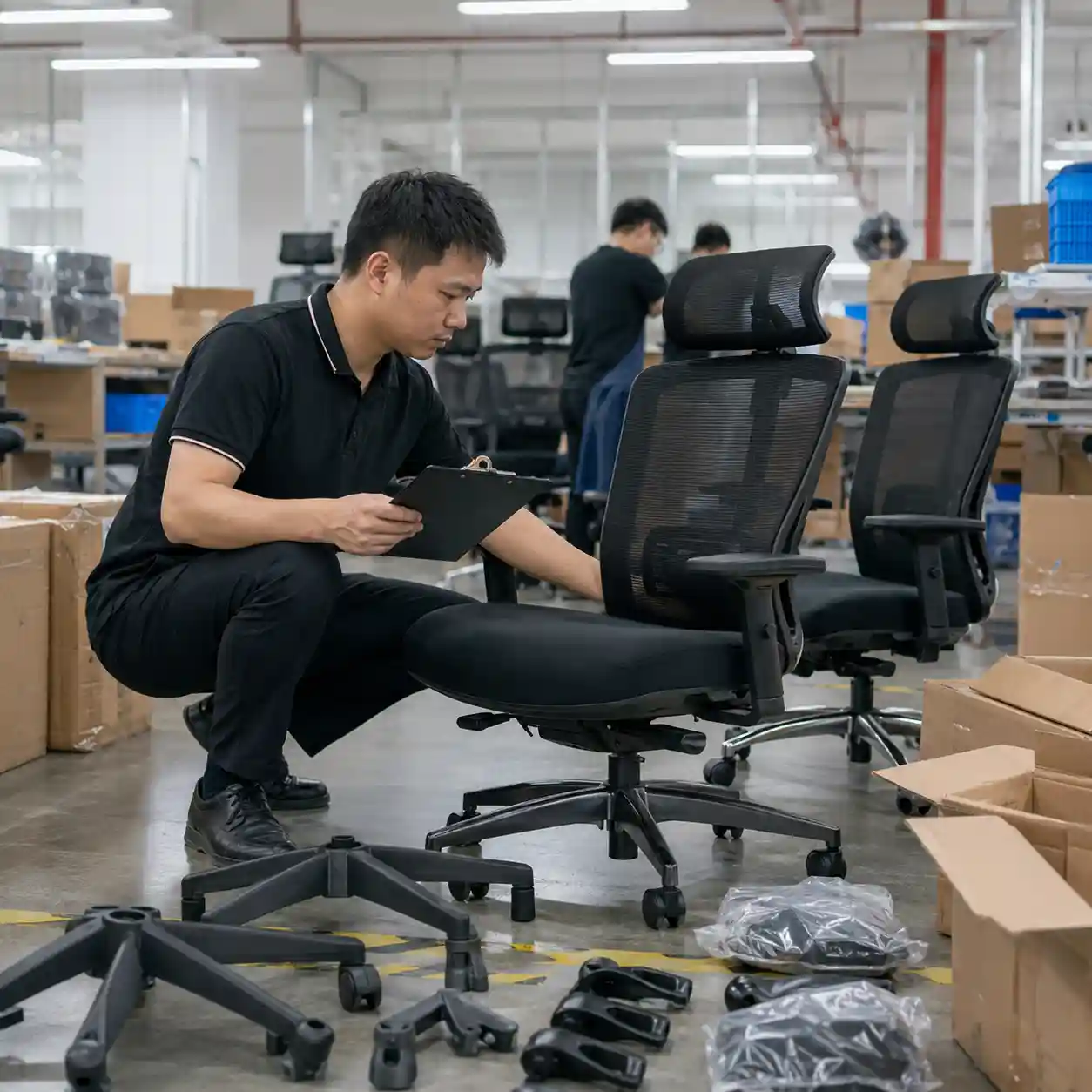
Short answer: if you are comparing an office chair supplier for bulk orders, start with the chair configuration, user requirements, sample condition and order terms.
Buying office chairs in bulk is often described as a price exercise. That description causes trouble. Two quotations can look similar while referring to different materials, functions, packaging conditions or after-sales responsibilities.
The seven checks below provide a practical framework for reviewing a wholesale office chair supplier before approving a sample or placing a larger order. The framework is written for distributors, project buyers, resellers and companies equipping multiple workstations. It also addresses end-user concerns such as lower-back discomfort, seat depth, armrest height, heat buildup and assembly problems.
The ergonomic sections refer to guidance from the U.S. Occupational Safety and Health Administration and Cambridge University Hospitals. This article provides procurement guidance, not medical diagnosis or treatment advice.

1. Define the Buying Brief Before Comparing Suppliers
Start with the users and work settings
A supplier cannot recommend a suitable configuration if the buyer only provides a chair quantity. The same project may include general workstations, manager offices, meeting rooms, reception areas and home-office resale products. Each setting may require a different balance of appearance, adjustment, cleanability, movement and price position.
Before requesting quotations, record:
- Who will use the chairs
- Quantity required for each model
- Whether the chairs are for resale or a specific project
- Desk height and available clearance
- Expected working environment
- Required color, material and finish
- Destination market and delivery location
- Whether samples are required before production
This short brief makes supplier responses easier to compare. It also reduces the risk of receiving a visually similar model with a different internal configuration.
Turn user complaints into specification questions
End users rarely describe problems using manufacturing terms. They may say that the chair makes their lower back uncomfortable, presses against the back of the legs, forces the shoulders upward, feels hot, or is difficult to assemble.
Each complaint should become a supplier question. For example, pressure behind the knees should lead to questions about seat depth, seat height, front-edge design and user fit. High armrests should lead to questions about armrest height, movement and desk clearance.
This approach helps a distributor reduce product complaints without making medical promises.
Separate standard requirements from optional features
Separate requirements into three groups: required for the project, preferred if the budget allows, and optional features for a higher product tier. This makes the quotation easier to read and helps the supplier explain which changes affect the price, sample and production process.
2. Compare Suppliers With the Same Chair Configuration
Do not compare product photos alone
A product photo shows general appearance. It does not confirm every component in a quotation.
When comparing wholesale office chair suppliers, request the same information from each supplier:
- Model reference
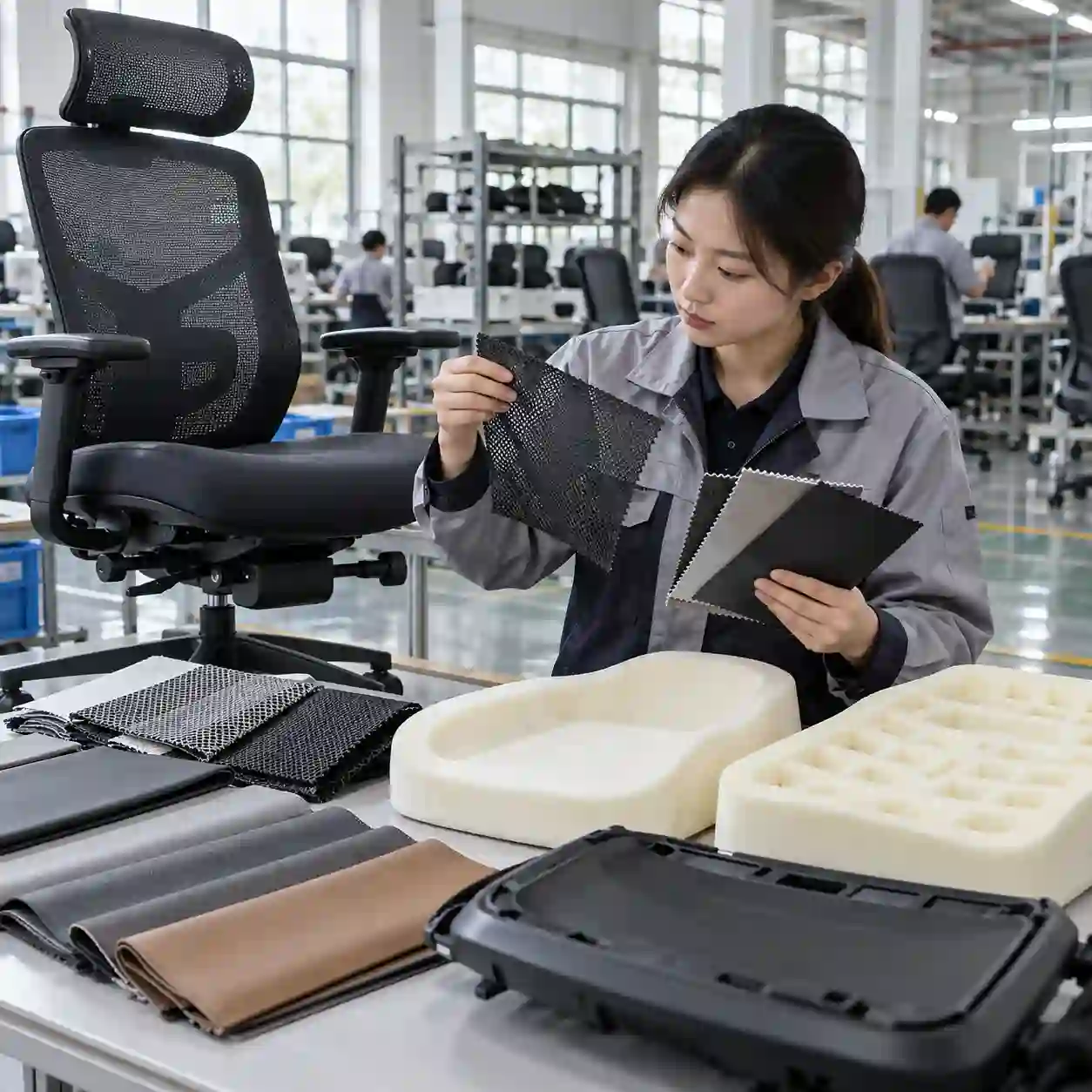
- Material and finish
- Backrest and seat construction
- Lumbar support type
- Armrest adjustment
- Headrest configuration
- Tilt mechanism
- Base and caster configuration
- Color reference
- Packaging condition
- Sample availability
- Available documents or test reports
If one quotation includes a headrest, adjustable arms and a different mechanism while another does not, the two unit prices are not directly comparable.

Ask suppliers to describe what is included
The phrase “ergonomic office chair” is broad. It does not explain whether the lumbar support is fixed or adjustable, whether the seat depth can be changed, or whether the armrests move in one direction or several directions.
Ask the supplier to identify the actual components included in the quoted version. This matters when a model has several configurations for different markets or price levels.
Keep a written configuration record
Once a sample is approved, keep the quotation, product images, material references and confirmed specifications together. The approved record becomes the reference for sample review, production confirmation, pre-shipment inspection, product listing, repeat orders and after-sales communication.
3. Check Ergonomic Fit From the End User’s Point of View
Seat height and seat depth
Seat height affects whether the user can place the feet securely on the floor or a suitable footrest. Seat depth affects whether the user can sit back against the backrest without pressure behind the knees.
Cambridge University Hospitals advises that back and seat depth should fit the user’s size and stature. Its guidance also uses a small space behind the knees as a practical fit check. OSHA includes seat depth, seat height and foot support in its workstation chair guidance.
For a bulk project, ask:
- What is the seat-height range?
- Is the seat depth fixed or adjustable?
- Can shorter users sit back without pressure behind the knees?
- Can taller users receive enough thigh support?
- Does the seat fit the desk height used in the project?
Do not assume that one seat size fits every user. The answer depends on the chair configuration, desk and user group.
Lumbar support and backrest position
A backrest should be assessed by position and user fit, not by the word “ergonomic” alone.
Ask whether the lumbar support is fixed, height adjustable, depth adjustable, integrated into the backrest or a separate component. OSHA explains that a suitable backrest should support the lower back and allow adjustment for different seated postures. The exact design still needs to be checked on the selected sample.
The practical question is simple: can the user sit back naturally while receiving support in the intended lower-back area, without being pushed too far forward?
Armrests and desk clearance
Armrests should support relaxed shoulders and allow the user to work close to the desk. Cambridge University Hospitals recommends positioning armrests around elbow height while keeping the shoulders relaxed.
When comparing suppliers, confirm:
- Height adjustment
- Width adjustment
- Forward and backward movement
- Pivot or rotation
- Pad size
- Clearance under the desk
- Whether the armrests are included in the quoted configuration
A label such as “2D” or “4D” is not enough. Ask what those movements actually are.
For a model-specific example, buyers can review the 999 ergonomic mesh office chair with 3D headrest, then compare the listed configuration with the supplier’s confirmed quotation and approved sample.
4. Use Sample Approval to Connect B2B and End-User Needs
Match the sample with the written quotation
A sample is useful only when the buyer knows what is being approved. Before reviewing it, confirm the model number, material, color, functions, armrest and headrest configuration, packaging method, accessories and assembly instructions.
The sample should represent the configuration that will be quoted for the bulk order. If the sample uses a different material or mechanism, the approval has limited value.
Test the features that cause complaints
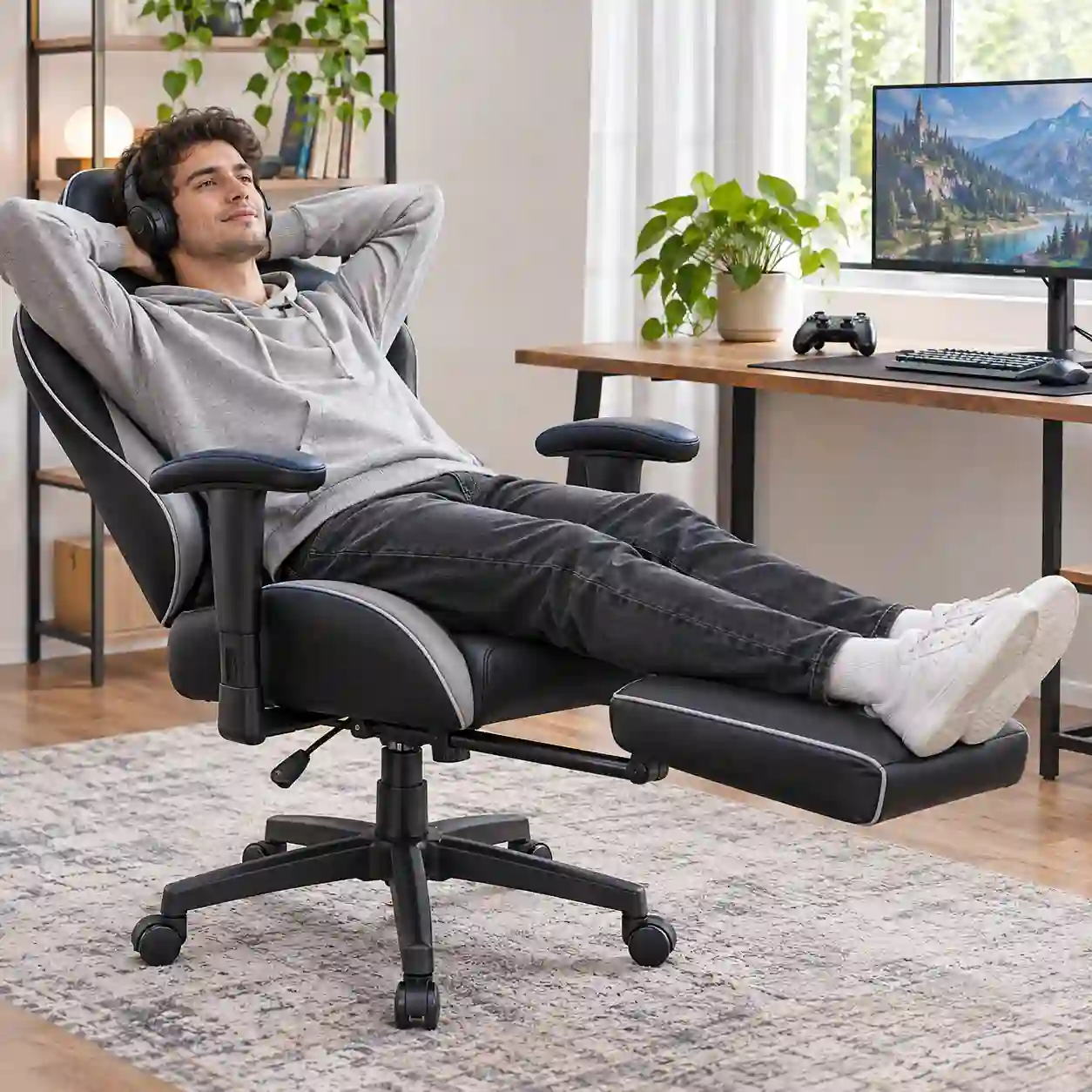
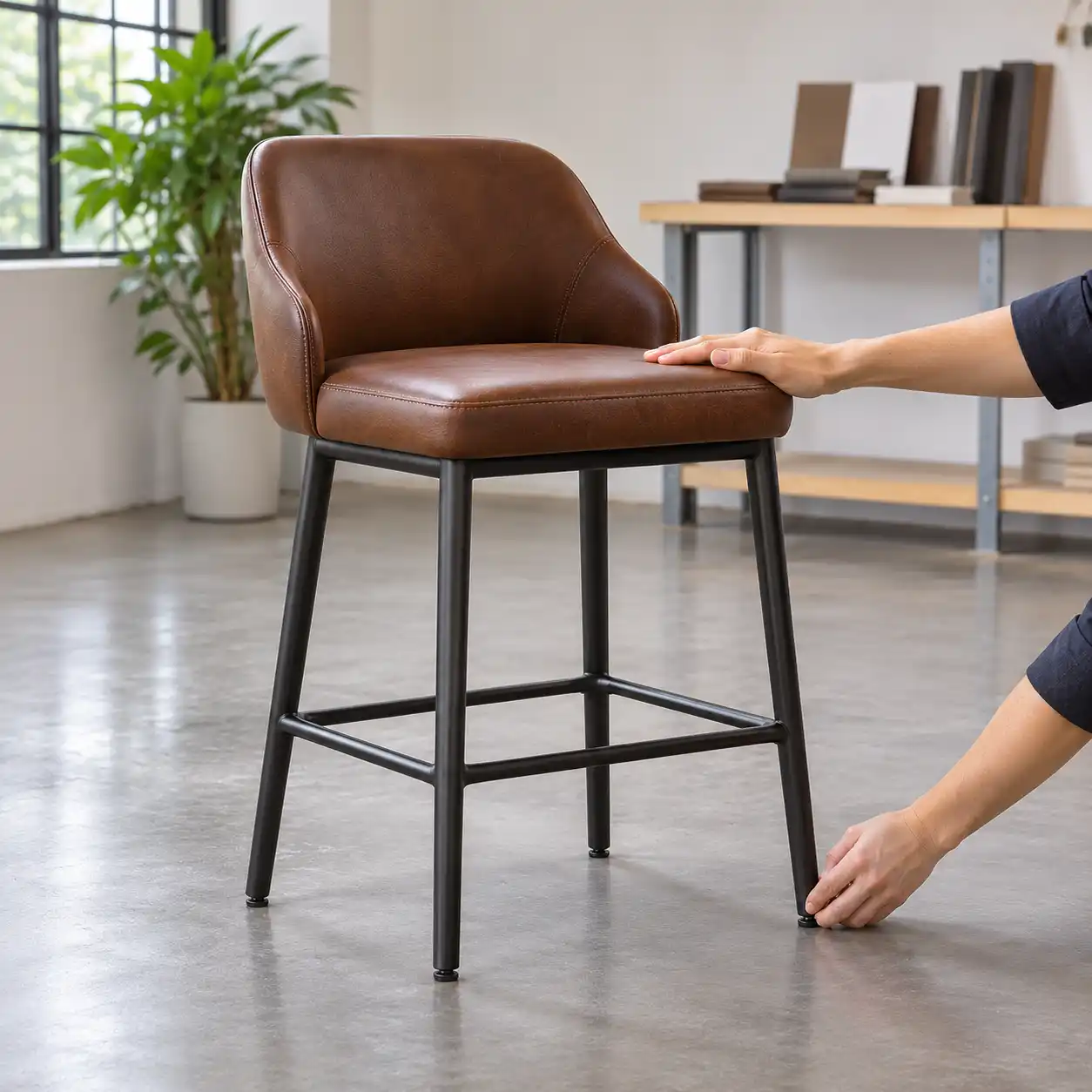
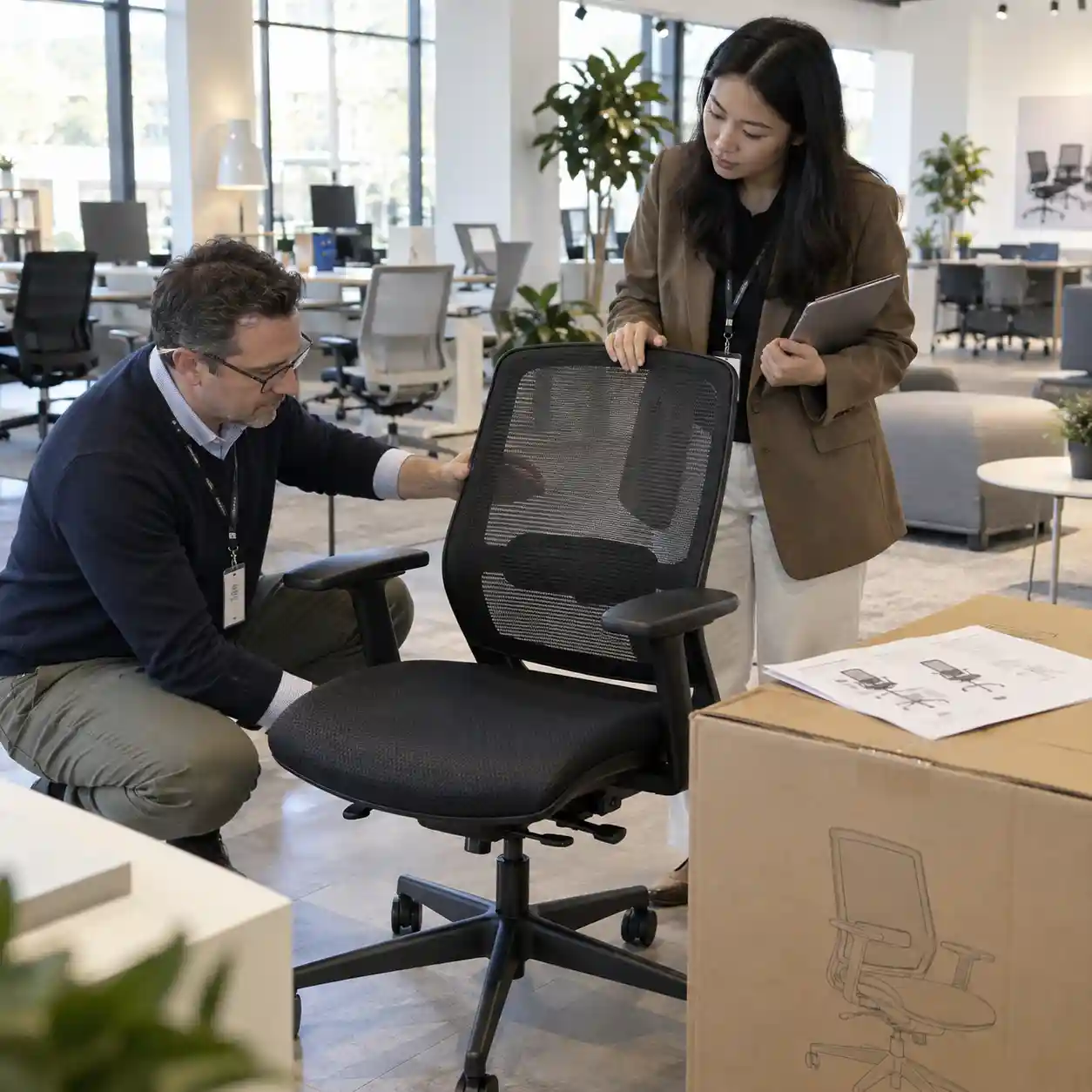
A sample review should cover more than appearance. Ask representative users to check seat-height adjustment, seat depth, lumbar contact, backrest movement, armrest position, desk clearance, base stability, caster movement, assembly steps and packaging protection.
A simple feedback sheet can use these questions:
| Area | User feedback question |
|---|
| Seat height | Can the user place the feet securely? |
| Seat depth | Is there pressure behind the knees? |
| Lumbar support | Does the backrest support the intended area? |
| Armrests | Can the user work without raising the shoulders? |
| Recline | Is the movement easy to understand? |
| Assembly | Are the parts and instructions clear? |
| Overall fit | What should be changed before approval? |
Use real evidence instead of broad claims
Evidence is stronger when it shows the selected model or the actual inspection step. Useful evidence may include an approved sample, a material reference, a backrest test video, a material review, a packing record or a documented inspection point.
Hengyao’s existing buyer resources include office chair backrest testing, office chair material checks and a mesh office chair sample and packing guide. Buyers should still confirm that the evidence matches the exact model and configuration under review.
5. Review Quality Evidence Before Mass Production
Ask for model-specific information
A company presentation or factory photograph does not replace model-specific information. Ask which documents apply to the exact chair configuration being quoted.
If a test report is provided, check the tested model, tested configuration, material and component scope, test date, issuing organization, report number and market or project requirement.
Do not assume that a document covering one configuration applies to every chair in a supplier’s catalog.

Compare production with the approved sample
The approved sample should be used as a reference for the production order. Relevant checks may include color and finish, material consistency, mechanism function, seat and backrest construction, armrest movement, hardware quantity, assembly instructions, carton labels and protective packaging.
For a broader inspection framework, see the existing office chair quality control guide.
Keep testing language precise
A responsible product page should say what has been confirmed. Avoid statements such as “certified for every market,” “guaranteed to last for many years,” “prevents back pain” or “passes all international tests” unless the exact claim is supported by current documentation.
Use precise wording instead: available documents can be reviewed for the selected model; testing requirements should be confirmed for the destination market; final specifications are confirmed against the approved sample and order.
6. Check Packaging, Delivery and After-Sales Conditions
Packaging affects the delivered product
A chair can meet the approved sample standard and still arrive with damage if the packaging does not protect the frame, mesh, base, casters and hardware.
Ask the supplier to confirm carton dimensions, units per carton, internal protection, hardware packaging, assembly instructions, shipping marks, loading plan and handling requirements.
For mesh products, pay particular attention to contact points, frame edges and protection during transportation. The mesh office chair packing guide can support this part of the evaluation.
Separate production timing from transport timing
A quotation should distinguish between sample preparation, sample approval, production, inspection, loading, transport and destination delivery.
Do not treat one estimated date as the complete delivery plan. The final schedule depends on the confirmed model, quantity, packing details, destination and order terms.
Confirm the after-sales process before ordering
Ask how the supplier handles missing components, transit damage, confirmed quality issues, replacement parts, assembly questions, repeat-order changes and documentation for claims.
The buyer should know what information is needed for an after-sales review, such as the order reference, affected quantity, photographs or video. A clear process is more useful than a general statement that a supplier provides good service.
7. Use a Supplier Comparison Scorecard
Score suppliers with the same categories
A simple scorecard can prevent the lowest unit price from controlling the decision.
| Category | Supplier A | Supplier B |
|---|
| Configuration clarity | | |
| Sample consistency | | |
| User-fit information | | |
| Material description | | |
| Quality evidence | | |
| Packaging details | | |
| Delivery conditions | | |
| Spare parts and after-sales | | |
| Communication quality | | |
| Open questions | | |
Separate confirmed facts from open questions
A useful scorecard shows what is confirmed and what is still missing.
- Confirmed: model reference and color
- Confirmed: sample received
- Open: packaging method
- Open: available test documentation
- Open: replacement-part arrangement
- Open: destination delivery condition
This gives the buyer a clear list of questions before approval.
Compare total purchasing risk, not just unit price
The lowest unit price may not be the lowest project cost if the buyer later faces configuration changes, extra packaging charges, missing components, difficult assembly, product inconsistency, unclear claims procedures or delayed answers.
A better comparison includes the quality of the information provided before the order.
Frequently Asked Questions
What should be included in a wholesale office chair quote?
A wholesale quote should identify the model, configuration, material, color, quantity, packaging, price basis, delivery conditions and any documents or services included. If a detail affects the delivered product, it should be written down.
How do I compare office chair suppliers for bulk orders?
Send the same purchasing brief to each supplier. Compare the same model type, configuration, sample condition, packaging requirements, delivery terms and after-sales questions. Do not compare two prices if the quoted configurations are different.
Should I request a sample before placing a bulk order?
I recommend requesting a sample when the order size, user group or product configuration makes a mistake expensive to correct. OSHA also recommends trying different chairs before purchase because adjustability and fit vary between users. The sample should match the configuration that will be ordered.
Is a mesh office chair always better for long working hours?
No single material is automatically suitable for every user, climate or project. Review the mesh location, tension, frame, seat construction, cleaning requirements and user feedback. A mesh backrest, a full-mesh chair and a mesh backrest with a padded seat provide different user experiences.
How can distributors reduce complaints about seat depth and lumbar support?
Ask users about seat depth, thigh pressure, backrest contact and lumbar position during sample review. Record the feedback and confirm whether the selected configuration addresses the requirement. Product descriptions should avoid medical promises.
What questions should I ask before requesting a wholesale quote?
Prepare the quantity per model, destination market, required configuration, preferred material and color, desk or workspace conditions, sample requirement, packaging expectations, required documents, delivery requirements and after-sales questions.
Buyers can review the wholesale office chair category, select the relevant model and send the model, quantity and destination through the contact page.
References
Final Takeaway
A reliable bulk office chair purchase starts with a clear comparison process.
Define the users, compare the same configuration, review a representative sample, record end-user feedback and confirm the quality, packaging and after-sales conditions in writing.
The goal is not to choose the supplier with the longest feature list. The goal is to choose a supplier whose product information, sample and order conditions can be checked before the purchase is approved.




 English
 Español