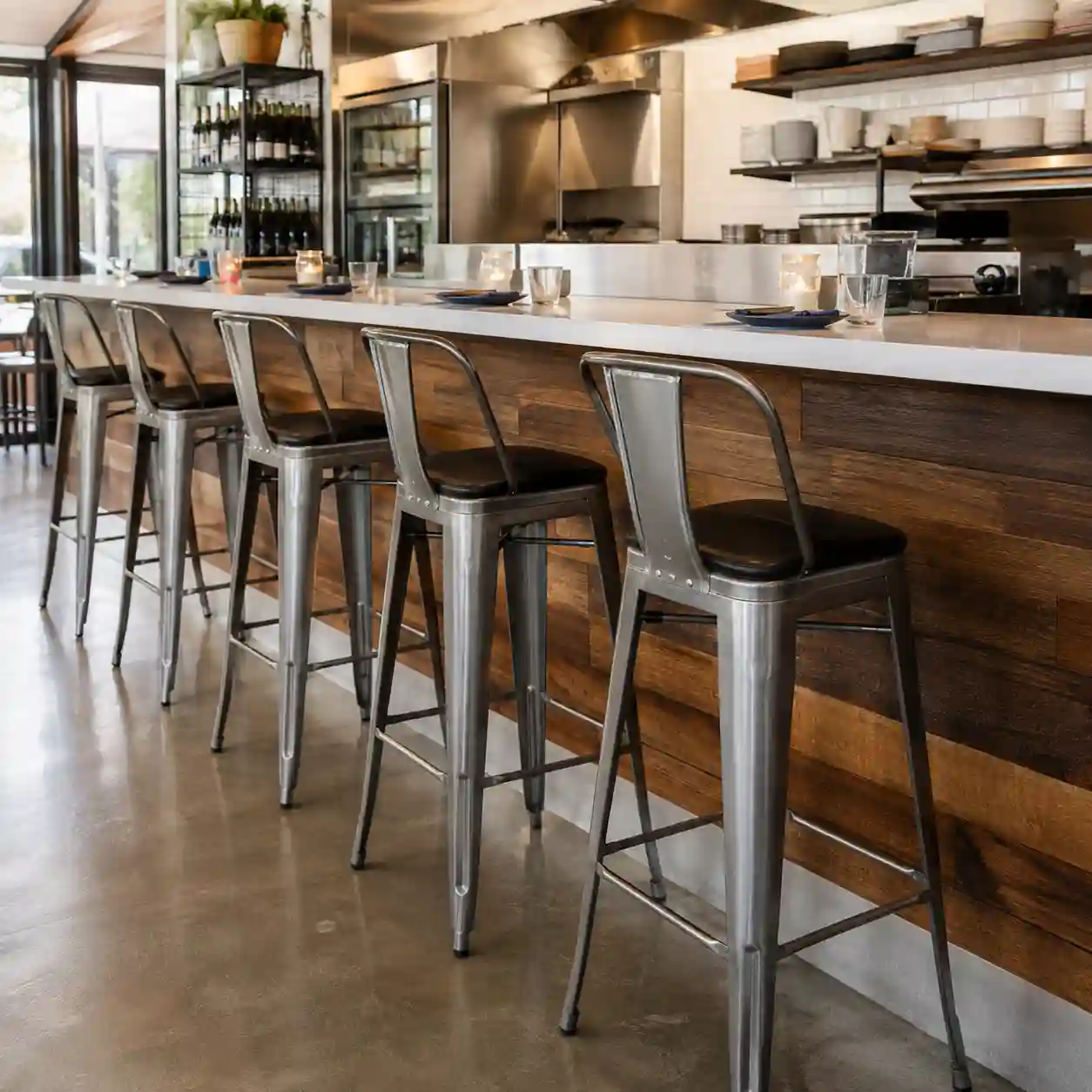
Metal counter height bar stools can look easy to buy from a catalog. The photo shows a clean frame, a neat seat, maybe a black or chrome base, and the price looks workable. Then the order reaches a restaurant, cafe chain, hotel breakfast area, office pantry, or apartment project, and the small details start to matter.
A stool that sits two inches too high makes the counter uncomfortable. A thin footrest can bend after repeated use. A weak surface finish can scratch during shipping or show marks after a few busy weeks. For one home kitchen, that is inconvenient. For a buyer ordering 100, 300, or 800 stools, it becomes a returns and replacement problem.
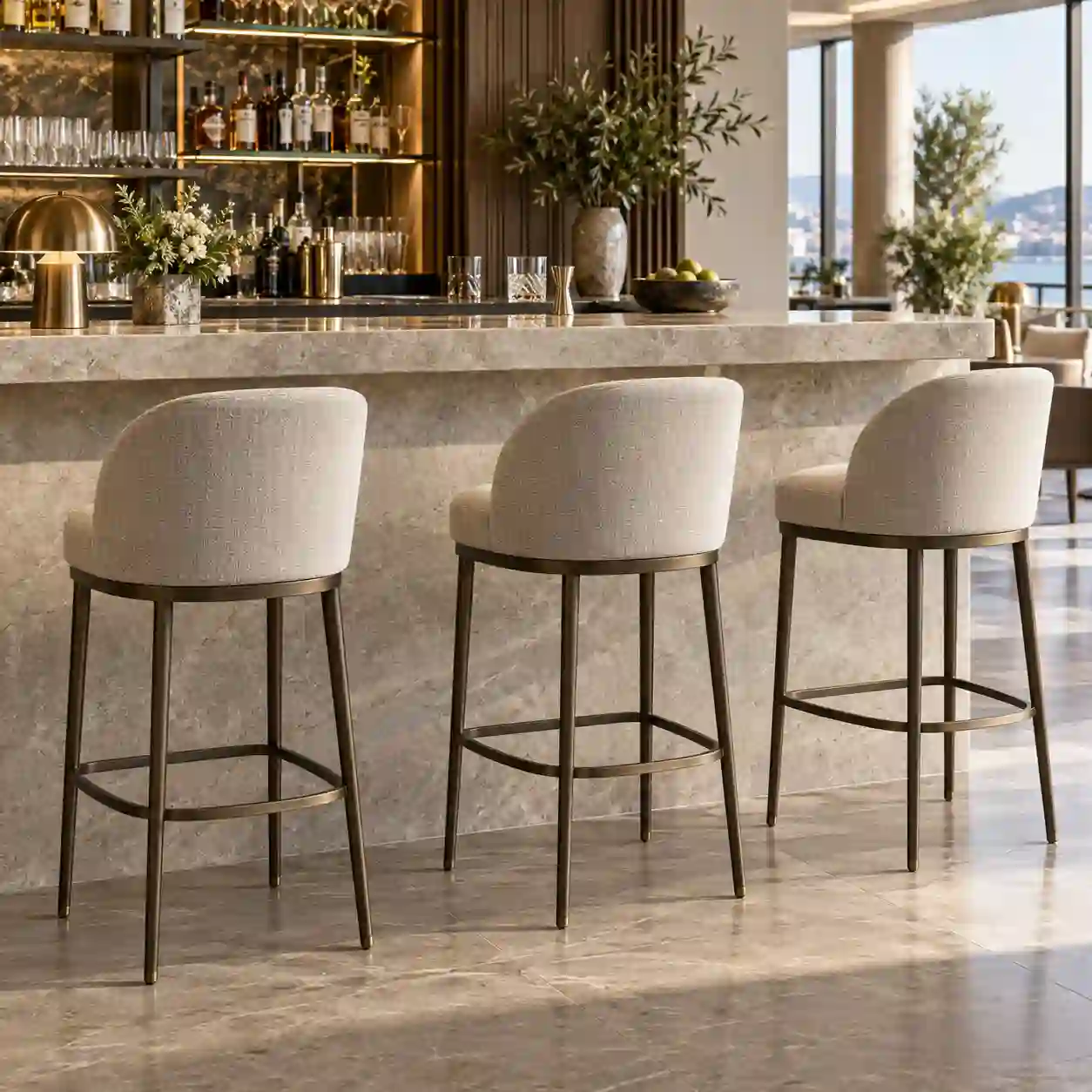
Quick buyer answer: metal counter height bar stools are a good fit for commercial projects that need stable frames, easy cleaning, consistent color, and compact seating around 34-36 inch counters. Before bulk ordering, buyers should confirm seat height, counter clearance, frame welding, footrest strength, metal finish, seat material, carton protection, spare parts, and inspection records.
That is the short version. The better buying decision comes from checking what photos do not show.
Buyer shortcuts: why metal counter stools |height and layout |frame and base |finish and upholstery |bulk checklist |supplier questions |compare products |FAQ Metal frames solve three practical buying problems Metal counter stools are popular in restaurants, cafes, hotel counters, apartment clubhouses, office pantries, and commercial refresh projects because they solve three practical problems: strength, cleaning, and visual consistency.
In daily use, stools are pulled, dragged, rotated, bumped by shoes, wiped after spills, and moved during cleaning. A wood frame can look warmer, and a fully upholstered stool can feel softer, but a properly made metal frame usually handles high-frequency use better.
The phrase “properly made” matters. A metal stool is not automatically durable. The frame thickness, welding, base design, surface finish, footrest, screws, and packing method all decide whether the stool works after delivery.
Commercial buyers need repeatability, not just one good sample For project buyers, the first sample is only the beginning. A hotel or restaurant chain does not need one good stool. It needs the same height, same color, same base stability, and same seat feel across the full batch.
This is where many retail-style buying guides stop too early. They explain style and height, but they do not explain how to keep quality consistent in bulk production. For B2B buyers, the approved sample should become the written production standard.
Metal counter stools are useful when the venue needs easy maintenance Metal stools are especially practical in spaces where staff clean often. Powder-coated frames, chrome bases, molded seats, PU seats, and simple leg structures can be easier to wipe than deep fabric details or complex carved wood frames.
For commercial use, maintenance is not a small point. A stool that looks good in week one but becomes hard to clean by month three is not a strong product for repeat orders.
Start With Height and Layout Before You Choose the Style Counter height is not bar height Most counter-height surfaces are around 34-36 inches high. The matching stool seat is usually around 24-26 inches high. Standard bar counters are often around 40-42 inches high, and the matching seat height is often around 28-30 inches.
That difference looks small on a screen, but it is obvious when someone sits down. A stool that is too high makes the user’s knees and arms feel awkward. A stool that is too low makes the counter feel far away.
Surface Type Typical Surface Height Common Seat Height Best Use Counter height 34-36 in 24-26 in kitchen islands, cafe counters, office pantries Bar height 40-42 in 28-30 in bars, pubs, hotel lounges Extra tall counter 44-47 in 33-36 in special commercial counters
Leave enough clearance under the counter A practical starting point is to leave about 10-12 inches between the top of the stool seat and the counter surface. This gives most users enough room for their legs while keeping the sitting position natural.
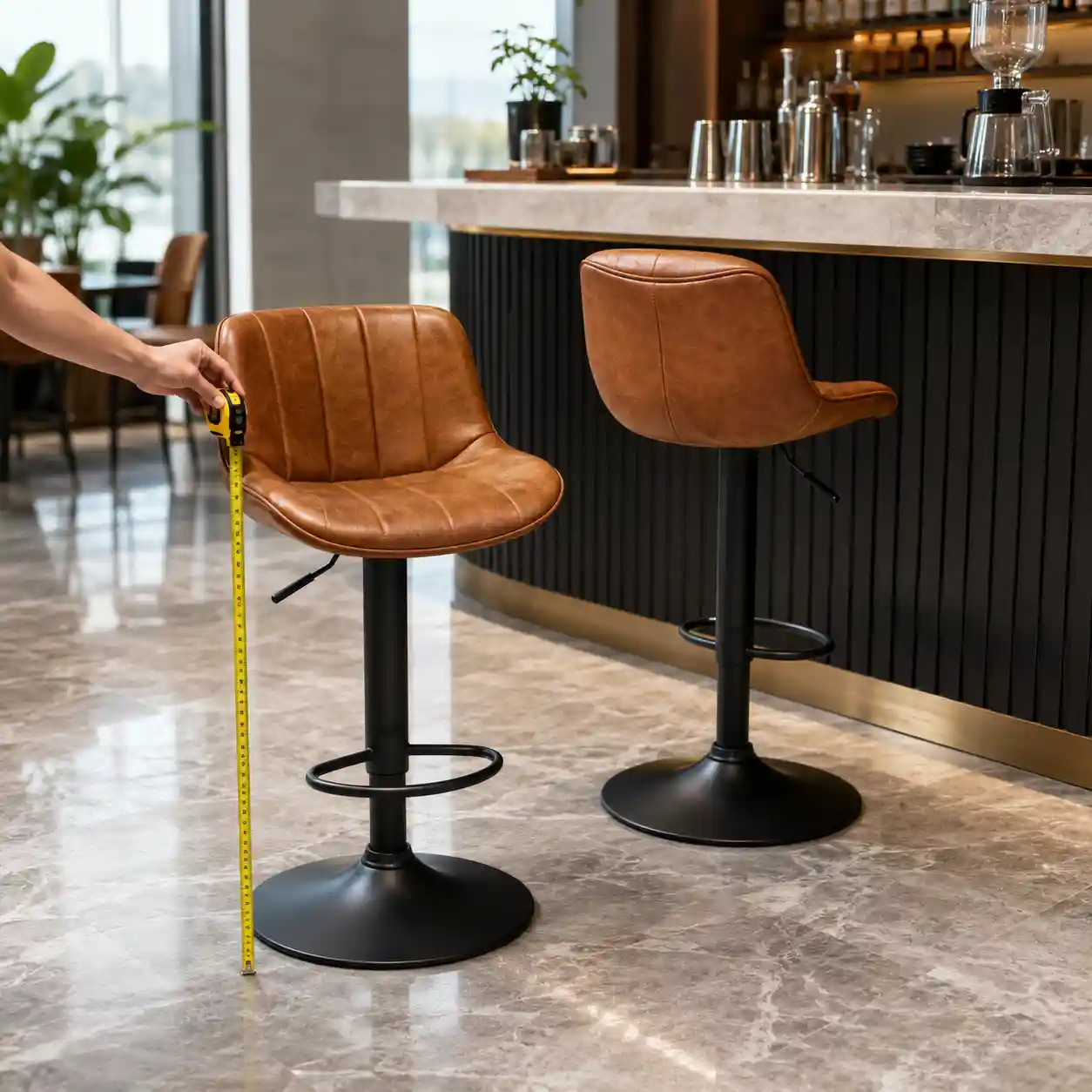
Do not measure only from a drawing if the project is still under construction. Flooring, tiles, leveling, and countertop thickness can change the final height. For a bulk order, ask the project side for the finished floor-to-counter height before approving the sample.
Seat width affects how many stools fit A wider stool may feel more comfortable, but it reduces seating capacity. This matters in cafes, restaurants, training counters, breakfast bars, and apartment shared spaces where every seat has to earn its floor space.
Check the overall width, not only the seat width. Arms, angled legs, wide bases, and backrest shape can all change spacing. Buyers should also consider the aisle behind the seated user, staff cleaning access, and whether the stool needs to tuck under the counter.
Frame and Base Checks: Where Cheap Stools Usually Show Problems Check welding points before you check color On metal stools, weak welding is one of the first things a serious buyer should check. The most important areas are usually under the seat, around the footrest, at the leg joints, and around any support ring or base plate.
Poor welding may not fail during a quick showroom test. The problem appears after repeated sitting, dragging, and foot pressure. For commercial bar stools, the footrest is a stress point because almost every user puts weight on it.
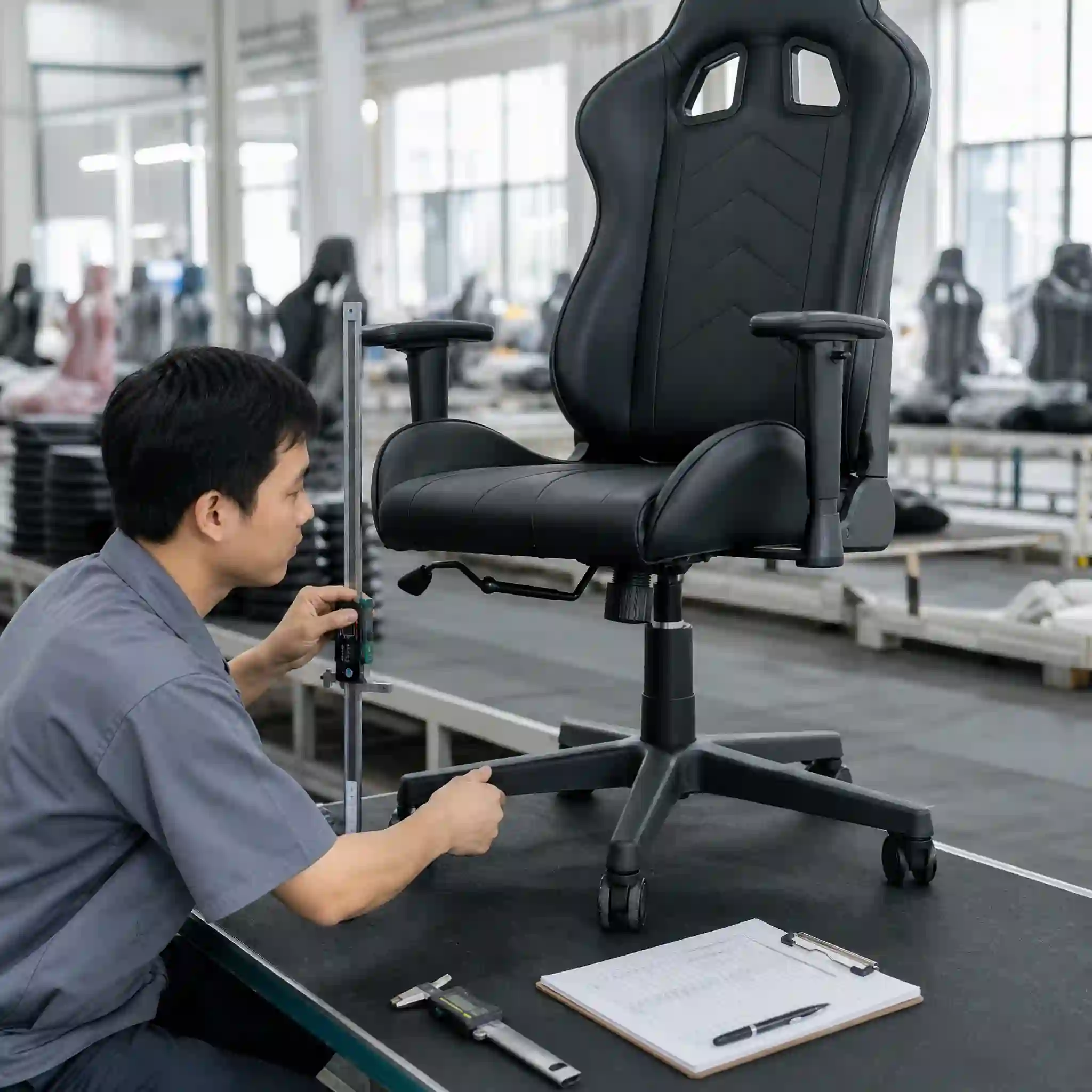
Ask the supplier for close-up photos or short videos of the frame joints. If possible, compare the production sample with the final pre-shipment inspection photos.
Base stability matters more as the seat gets higher Counter height stools are higher than dining chairs, so a small wobble is easier to notice. A stool may look elegant with a narrow base, but the buyer should still check whether it feels stable when users sit, shift weight, or rest their feet.
For swivel or adjustable counter stools, confirm the base diameter, gas lift connection, seat plate, and anti-slip bottom. For fixed-leg stools, check whether the legs sit evenly on a flat floor.
Footrest design affects both comfort and durability The footrest is not decoration. It decides how natural the stool feels, especially when the user’s feet do not touch the floor.
For bulk orders, check footrest height, tube thickness, welding, surface protection, and whether the finish can handle shoe abrasion. A beautiful frame can quickly look worn if the footrest surface marks too easily.
Finish and Upholstery: Choose for Real Use, Not Only Photos Powder coating, chrome, and brushed finishes behave differently Metal counter height stools often fail visually before they fail structurally. Scratches, uneven coating, rust spots, and color differences can make a new venue look tired.
Powder-coated frames are practical for black, white, gray, and custom-color projects. Chrome or polished metal can look brighter and more premium, but buyers should check plating quality carefully, especially for humid environments or drink-service areas.
Before bulk ordering, confirm the finish type, color tolerance, sample standard, and packing protection for exposed metal parts.
Seat material should match the venue’s cleaning routine The seat material should be chosen around the venue, not only the catalog style. PU leather is easy to wipe, but low-grade PU can crack or peel. Fabric can feel warmer, but it needs better stain resistance in cafes and breakfast areas. Wood or molded seats are easier to clean, but may feel harder for long sitting.
Venue Practical Seat Choice Reason Fast-service cafe PU, molded, or wood seat quick cleaning and turnover Restaurant bar PU or commercial fabric comfort with manageable cleaning Hotel lounge padded seat with back support longer sitting time Office pantry compact padded or molded seat daily use and easy movement Apartment project durable PU or fabric option consistent style and replacement planning
Color matching is a batch-control issue For distributors and project buyers, repeat orders are common. The second batch should not look like a different product. If the frame is black, gold, brushed, or custom colored, ask the supplier how they control color between batches.
Keep the approved sample, final color name, finish type, and production photos together. This helps your team compare future orders more quickly.
Bulk Order Checklist Before Choosing a Supplier Check the details that affect complaints For a single stool, buyers often look at style first. For a bulk order, the checklist should start with the details that cause returns.
Check Point What to Confirm Why It Matters Seat height actual assembled height prevents wrong counter fit Overall width seat, arms, legs, and base spread protects layout capacity Frame welding under-seat joints and footrest joints reduces loose-frame complaints Base stability flat-floor wobble and base diameter improves user confidence Footrest height, strength, and finish protection affects comfort and visible wear Surface finish powder coating, chrome, or plating standard reduces scratches and color disputes Seat material PU, fabric, wood, molded, or custom option matches cleaning and sitting time Packing separate metal parts and protect edges reduces shipping damage Spare parts screws, glides, gas lifts, or footrest parts helps after-sales service Inspection sample, production photos, or third-party check catches issues before balance payment
Sample approval should be written down The sample should not be approved with a casual message like “looks good.” A better sample approval includes seat height, total height, seat width, base diameter, frame finish, upholstery material, carton method, and any special buyer requirement.
This written standard gives both sides something clear to check before shipment. It also protects the buyer if the final goods do not match the sample.
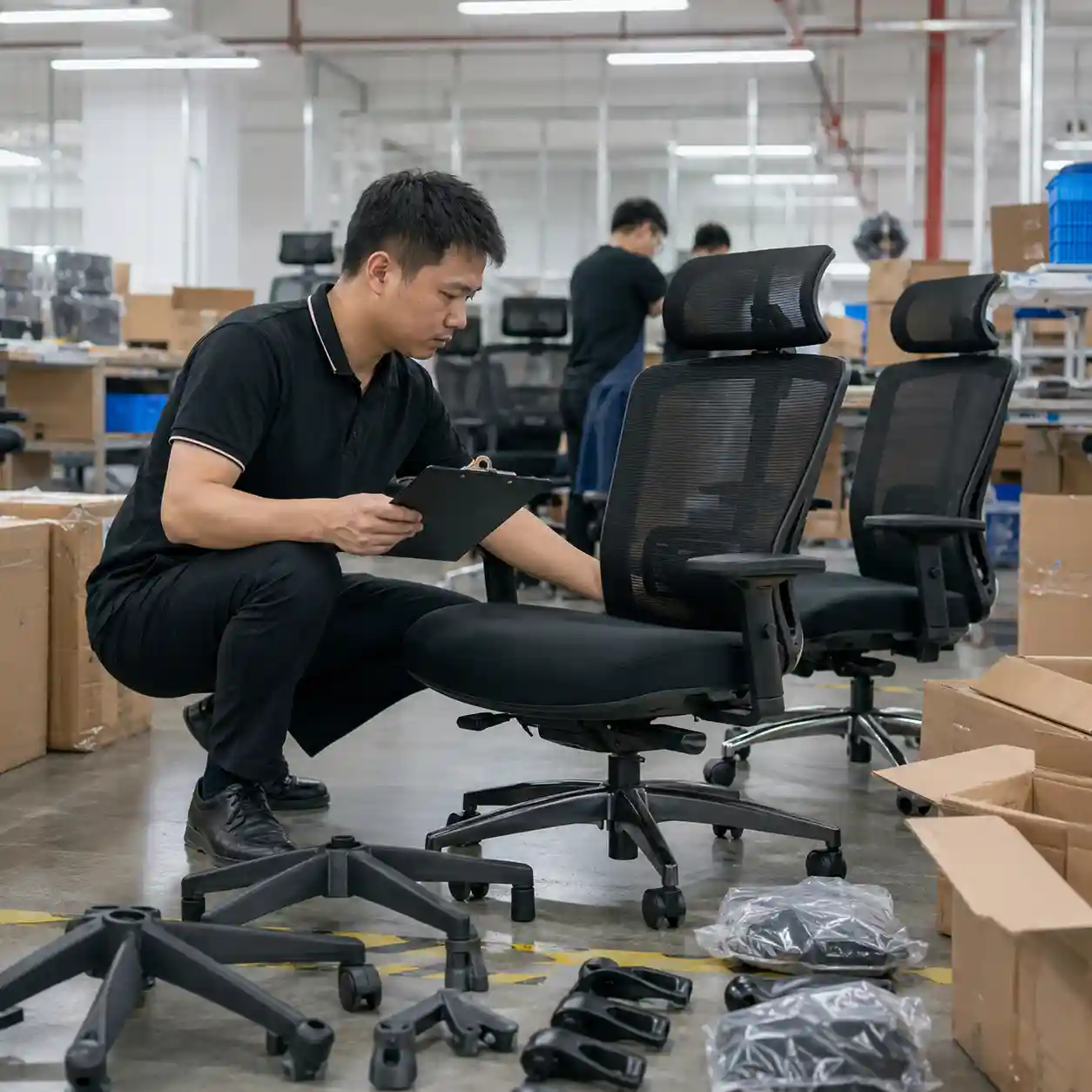
Packing is part of product quality Metal stools can be damaged before the customer ever uses them. Bases scratch each other, footrests rub against seats, and loose hardware can move inside the carton.
Ask for packing photos before shipment. Good packing should separate visible metal parts, protect seat corners, keep screws in marked bags, and use carton labels that match the order details.
When a Wide-Base Adjustable Stool Is the Better Fit This guide focuses on fixed or metal counter-height seating. When a project instead needs adjustable height and a larger floor footprint, compare a wide-base model separately. For example, the HY-BY8 wide-base PU leather bar stool uses a 410mm painted base and should be checked against counter clearance, aisle space, footrest position, and the approved packing method. Do not treat an adjustable model as interchangeable with a fixed-height counter stool until those fit checks are complete.
Supplier Questions to Ask Before Paying the Deposit Ask questions that force measurable answers Before paying the deposit, buyers should ask questions that produce measurable answers, not only general promises.
What is the exact seat height after assembly? What counter height is this model designed for? What is the overall width including the base or legs? What metal thickness and frame structure are used? How is the footrest fixed or welded? What finish is used on the metal frame? Can the finish color be matched in repeat orders? What seat material options are suitable for commercial use? How is each stool packed to avoid scratches? Can you provide production photos before balance payment? What spare parts can be shipped with the order? Can the approved sample be used as the mass-production standard? These questions are not just for negotiation. They help buyers see whether the supplier understands project orders or only sells catalog items.
Ask for proof where the risk is expensive Not every detail needs a laboratory report. But the expensive risks should be supported by photos, videos, sample checks, or inspection records.
For metal counter height stools, the most useful proof is usually simple: close-up frame photos, assembled height measurement, footrest detail, base stability check, finish close-up, carton packing photo, and loading plan.
A lower price is not useful if replacement costs erase the saving For commercial projects, the cheapest stool on paper can become expensive after freight, replacement parts, customer complaints, and slow-moving inventory. A buyer should compare landed cost and complaint risk, not only unit price.
A slightly better frame, cleaner finish, stronger footrest, and better packing can protect margin better than a small discount.
How to Compare Metal Counter Stools Inside a Product Range Separate fixed stools, swivel stools, and adjustable stools Do not compare every stool as if it does the same job. Fixed metal counter stools are often simple, stable, and easy to maintain. Swivel stools add movement and comfort, but the swivel plate needs checking. Adjustable stools give height flexibility, but the gas lift and base stability become more important.
If the buyer is serving restaurants and hospitality projects, compare by use case first: fast turnover, long sitting, small-space layout, premium lounge, office pantry, or apartment project.
Use one article to support several related product pages This type of guide should not compete with a single product page. It should support the whole bar chair category and help buyers understand what to check before choosing a model.
If you are comparing styles, you can start from our wholesale bar chair category , then use this checklist to compare height, frame, finish, footrest, and packing before requesting samples.
For supplier-side checks, you can also read our wholesale bar chair supplier guide . It focuses more on factory selection, quality control, and order communication.
Keep the target keyword clean This article is built around metal counter height bar stools . It should not try to rank for every bar stool term at once. Broader phrases such as counter height bar stools, commercial bar stools, restaurant bar stools, and bulk bar stools can support the page naturally, but the main topic should stay clear.
That keeps the article useful for readers and easier for search engines to understand.
FAQ What height should metal counter height bar stools be? Most counter height stools have a seat height around 24-26 inches and are used with counters around 34-36 inches high. Buyers should still measure the finished counter and confirm the assembled seat height before bulk ordering.
Are metal counter height bar stools good for restaurants? Yes, if the frame, welding, footrest, base stability, finish, seat material, and packing are suitable for commercial use. They are especially practical where easy cleaning and durable frames matter.
How much space should be left between counter stools? Spacing depends on seat width, armrests, backrest shape, and base spread. For project orders, measure the full stool width and leave enough room for guests to sit, turn, and stand without hitting the next stool.
Is powder coating better than chrome for commercial stools? Both can work. Powder coating is often practical for black, white, gray, and custom-color commercial projects. Chrome can look premium, but buyers should check plating quality and scratch protection carefully.
What should I check before ordering metal counter height bar stools in bulk? Check seat height, frame welding, base stability, footrest strength, metal finish, seat material, carton packing, spare parts, and whether the final production can match the approved sample.
Final Buying Note Metal counter height bar stools are not difficult to source, but they are easy to under-check. The right model should match the counter height, fit the layout, hold up under repeated use, and arrive without scratched metal parts or missing hardware.
For a serious bulk order, do not stop at the photo and price. Measure the project, approve a real sample, document the specification, and ask the supplier to prove the details that matter before shipment. That is where a simple stool becomes a reliable commercial product.


 English